Bulgaria

A crossroads of cultures

08.08 – 16.08.2026

Sofia

Forum Novum Foundation


Bulgaria

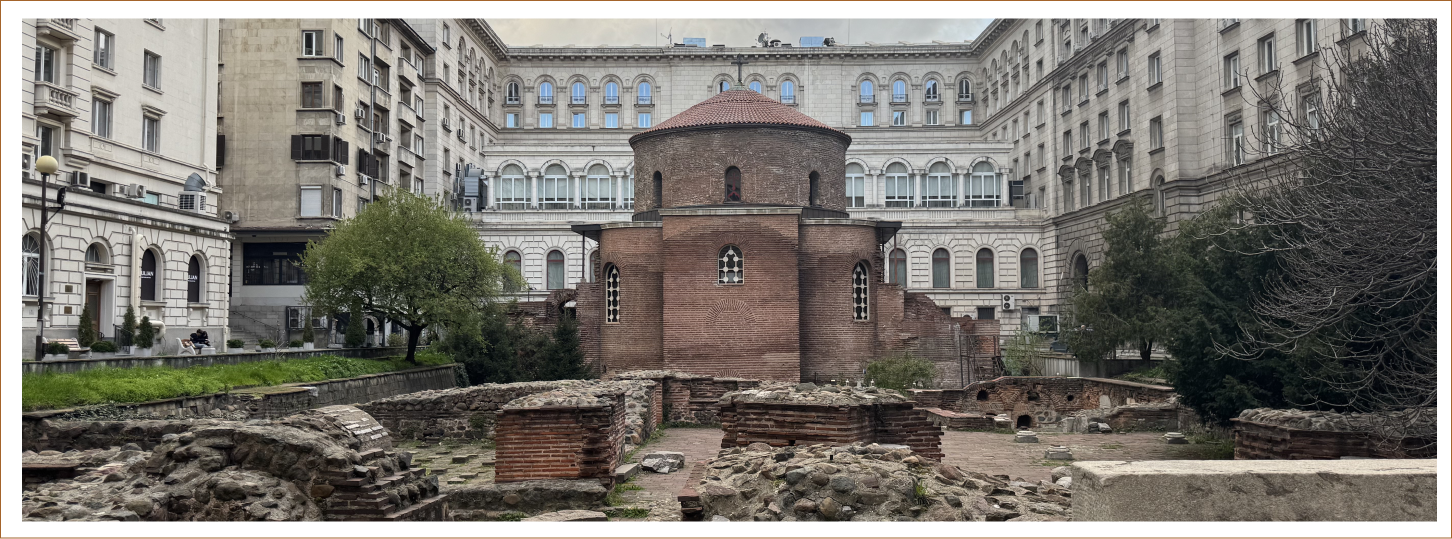
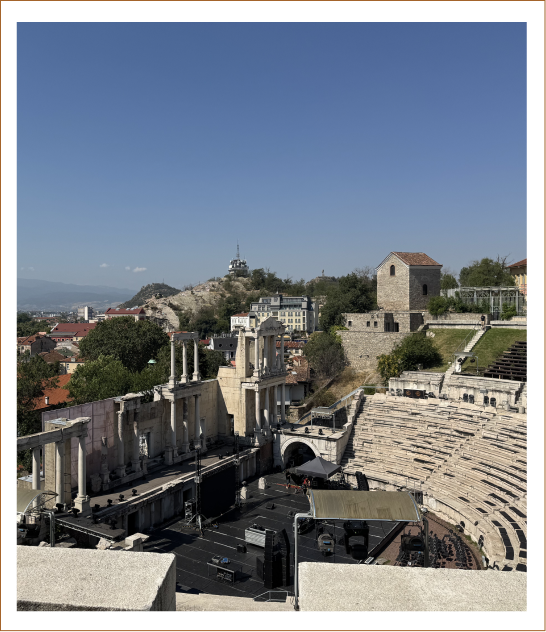
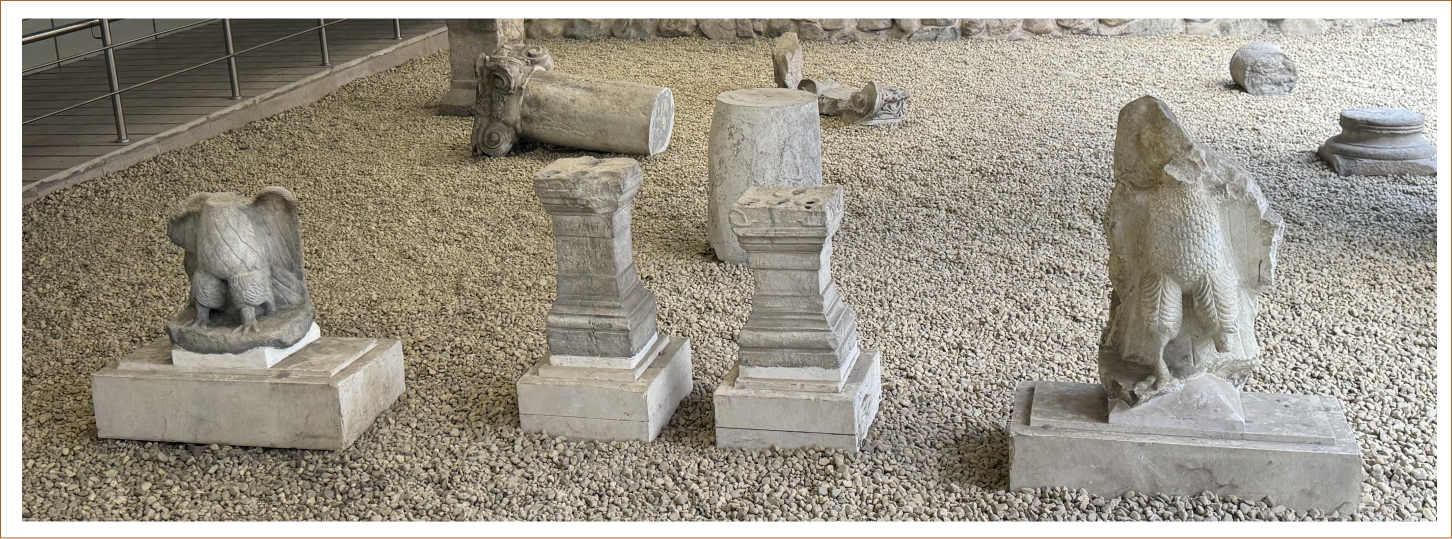
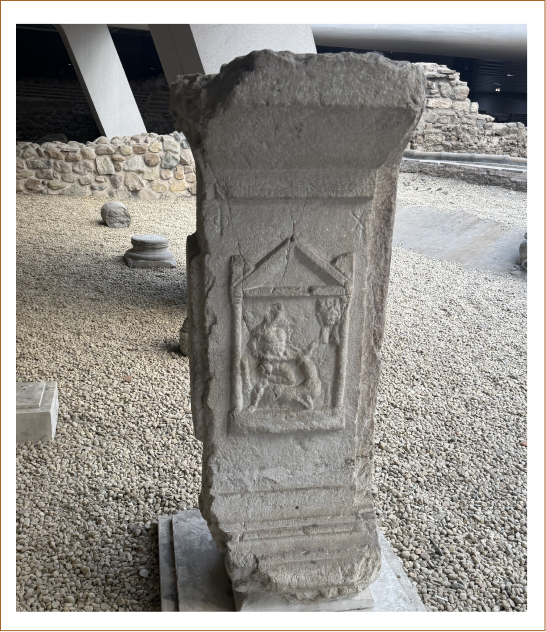
Bulgaria has strong ties with both ancient Greece and Rome. Many of its coastal cities such as Varna, Nesebar, and Sozopol are the descendants of Greek colonies established during the period of Greek colonisation (8th to 6th c. BCE), leaving a rich archaeological patrimony in the country. As part of the Roman Empire’s Thracia and Moesia Inferior provinces, the lands of Bulgaria served as an important trade route, which gave prominence to cities such as Serdica (now the capital Sofia) and Philippopolis (now Plovdiv). During the Middle Ages, Bulgaria’s proximity to the Eastern Roman (Byzantine) Empire meant that it played an interesting role in shaping the Empire’s politics and it therefore appeared often in Greek historical sources from the time. What is more, Bulgaria’s Christianisation that took place in the second half of the 9th c. was as much the result of the direction of Constantinople’s foreign policy of expanding its cultural influence as it was the fruit of the political acumen of the then ruler – knyaz Boris I (r. 852–889).

The work of the brothers St. Constantine Cyril the Philosopher and St. Methodius and of their students (amongst whom was the illustrious St. Clement of Ohrid) resulted in the creation of two alphabets – first the Glagolitic devised by St. Cyril and St. Methodius, and then the Cyrillic, based on the Greek alphabet and traditionally attributed to St. Clement of Ohrid, who named it in honour of his teacher. Literary schools were established that produced translations of a great number of Christian literature from Greek into Old Bulgarian, thereby coining a lot of new words and composing original writings as well. This turned 10th c. Bulgaria into a hub of Slavic-language Christian culture and literature. So, Bulgaria’s ties with the classical past of Europe are intricate and multi-faceted as it presents an example of cultural fusion in which external influences and local innovation give rise to a unique array of characteristics of its material and literary legacy that await exploration. 

Stay in touch

The application deadline is the 5th of July.

© All Rights Reserved to Forum Novum Foundation. 2026